
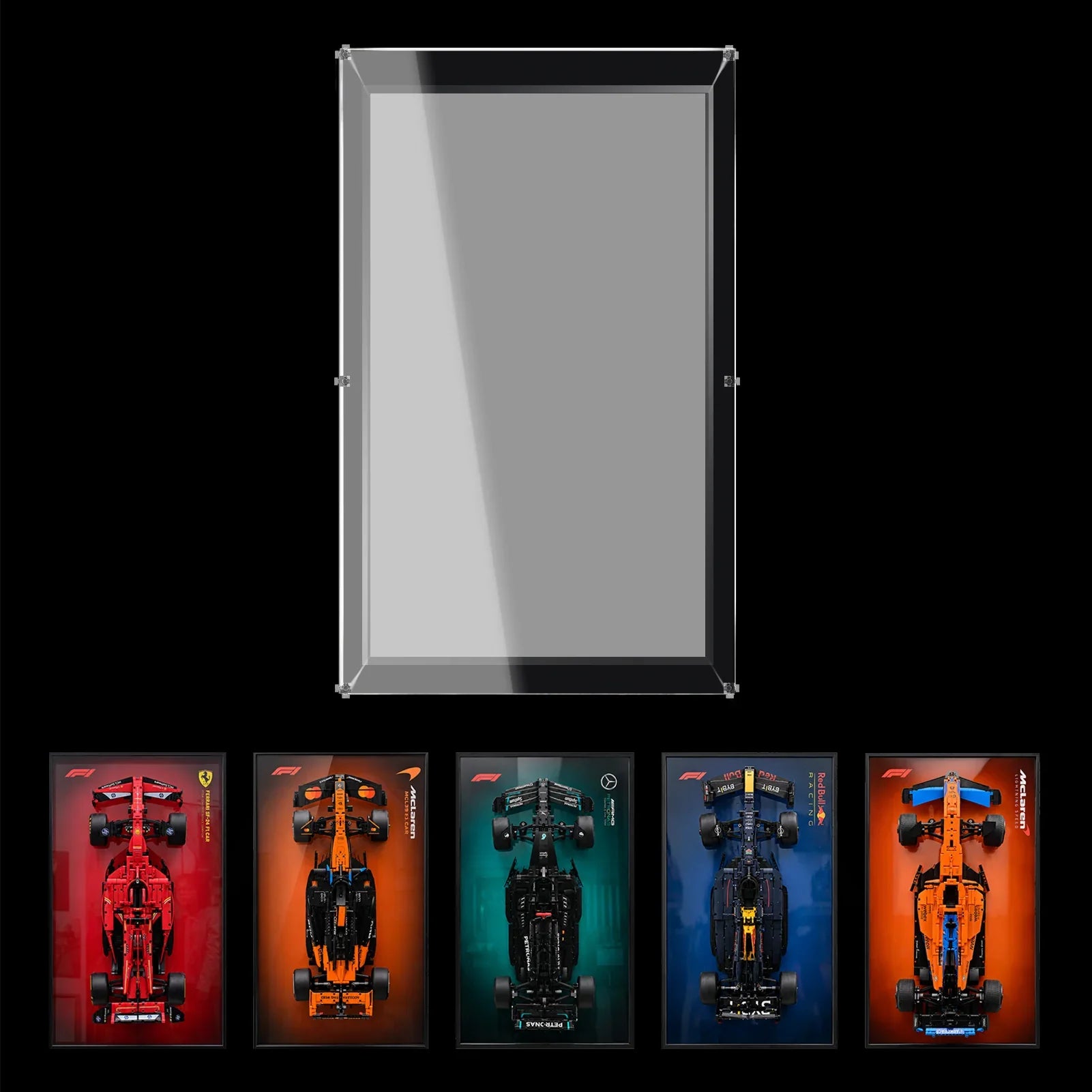

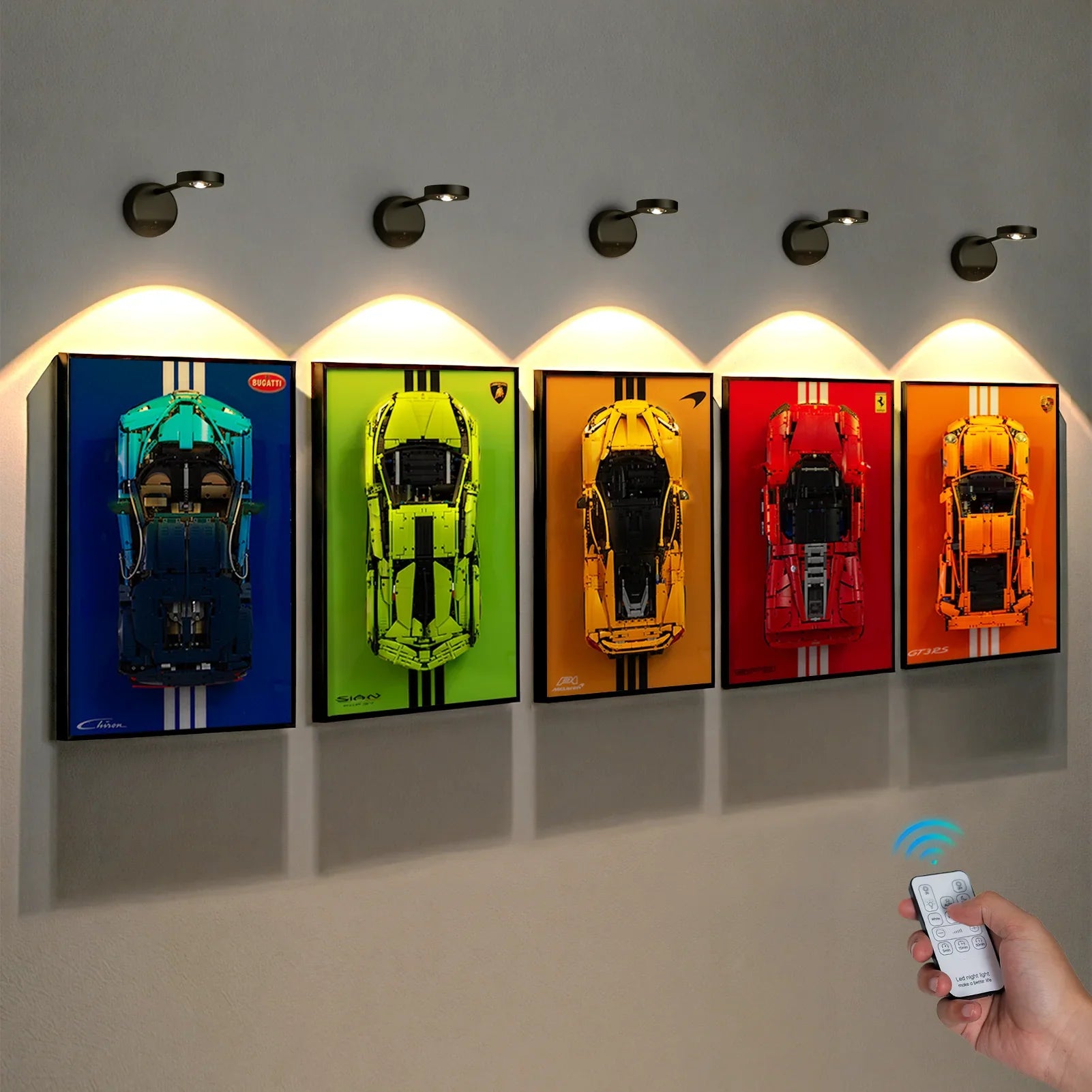


LEGO® Icons Venetian Neighborhood 11388 invites viewers to look along a scene rather than focus on one central figure. Buildings, bridge and waterway create several small destinations across a wide footprint. A LEGO Venetian Neighborhood display case should therefore preserve the model's long view and still leave a useful angle for seeing the details between buildings.
The WETCEAOM acrylic case for 11388 is listed at 70 × 40 × 52 cm. The official LEGO® model is approximately 63 cm wide, 31 cm deep and 48 cm high, so planning only around the bare build can leave you short of shelf space.

Pick the viewing orientation for your room
Begin with the bridge and the waterway, then decide where a viewer should stand to follow them. A perfectly frontal view may make the buildings look orderly but flatten the canal. A modest diagonal can create depth and show how the structures relate to one another. Try both orientations with the finished model before assembling the enclosure. The best angle may depend on where the room's door, sofa or work desk sits.
Do not confuse a wide case with an automatic panoramic view. A lamp reflected across the front can obscure the center of the scene, while a shelf with tall objects on both sides can make the outer buildings disappear. Clear the immediate sightline and test the arrangement at standing and seated height. If you want to see into the modular interiors regularly, remember that roof and floor access may require opening the case; the official set's removable sections are not accessible through closed acrylic.
Check if your bookcase has enough space and load capacity
Only if the usable shelf opening exceeds the case's 70 cm width, 40 cm depth and 52 cm height, with additional working clearance for assembly and maintenance. Many bookcases are shallower than they look once doors, trim and backing are considered. Measure the actual flat support area rather than the exterior furniture dimensions. Also confirm the shelf's load capacity for the model and case together; do not estimate it from appearance.
For a console or cabinet, place tape around the 70 × 40 cm footprint and stand at the room's usual viewpoints. Can you still open a cabinet door? Can you safely lift or remove the top panel where it stands? A position can pass the width test and fail the access test. If the case must be moved every time it is cleaned, choose a more practical surface before building a permanent room layout.

Arrange light around a miniature streetscape
The buildings benefit from gentle side light because it reveals edges and recesses, while the canal needs enough frontal visibility to read as part of the scene. Keep a bare bulb out of the acrylic's reflection path. For a darker collector room, one soft light source from above and to one side can make the neighborhood feel intentional without overpowering the colors of the bricks. Test the lighting with a phone photograph from the intended viewing distance.
If you use a themed backdrop, review the selected WETCEAOM option and its product photos before purchasing. A background can suggest a city horizon, but it also fixes a preferred front view. A clear surround gives more flexibility when the display can be seen from an adjacent seating area. Let the room's sightlines decide the option rather than choosing only from a close-up online image.
Plan for modular play and inspection inside the case
Yes, but plan for access. LEGO describes removable building sections and playable details within the set. An enclosure protects a finished display from casual dust and handling, while exploring those internal areas means opening it according to the case instructions. Put it on a surface where a panel can be lifted and rested safely. If you plan frequent interior photography, a readily accessible console makes more sense than a high shelf.

The same distinction matters during the build. Assemble and inspect all sections before final enclosure. Check the roofs and any outward extensions in the display position you prefer. Place loose figures where they can be seen without blocking the canal; a crowd at the front edge may hide the bridge. If you add custom street furniture or lighting, measure the resulting dimensions independently and ask the case seller about fit.
Make a large case feel deliberate
Give the scene enough surrounding space to read as a single neighborhood. A stack of small collectibles directly beside the transparent wall can visually continue the street in an accidental way. A restrained dark surface and one or two separated objects work better. Keep dusting tools and spare parts elsewhere so the display cabinet remains a setting for the model, not a storage shelf.
Routine care is simple if access was planned in advance. Wipe the outer acrylic with a clean microfiber cloth and follow the product's care guidance. Avoid dragging the case across the furniture with the set inside. If a panel needs removal, clear a stable place for it first. The wide footprint is part of the design, and it deserves a surface that supports both viewing and maintenance.
Final Thoughts
LEGO Venetian Neighborhood 11388 is not a single focal-point build, so its display strategy should honour the sprawling, panoramic charm of the canal scene. The right acrylic display case guards this detailed cityscape from dust without locking you into a rigid viewing angle. Take time to test sightlines, verify shelf space and reserve room for occasional access to its modular sections. When framed thoughtfully, this Venice-inspired layout becomes a calm, immersive miniature landscape that unfolds as you move around it.

